 (905) 609-1070
 drh@naturalhealthoptions.ca
 2349 Fairview Street, Unit 211, Burlington, ON L7R 2E3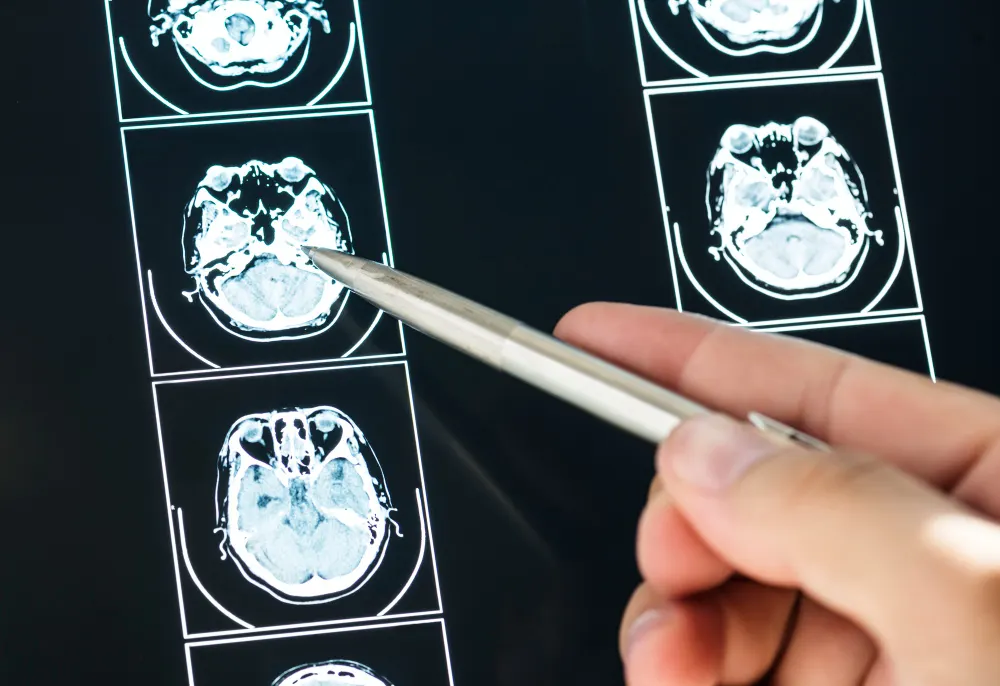


A Traumatic Brain Injury (TBI) is more than just a physical wound; it is a profound disruption of the body’s most complex command center. Whether resulting from a sports injury, a motor vehicle accident, or a fall, the repercussions of a TBI ripple through every aspect of a person’s life—affecting cognition, emotional stability, physical coordination, and energy levels.
While the immediate medical intervention focuses on stabilizing the brain and preventing further trauma, the long-term recovery phase is where the real work begins. Traditional rehabilitation is essential, but a growing body of research suggests that what we eat, how we live, and the natural therapies we employ can significantly accelerate the brain’s ability to heal itself. This process, known as neuroplasticity, is the brain's remarkable capacity to reorganize and form new neural connections.
In this comprehensive guide, we will explore the pillars of holistic TBI recovery, focusing on nutrient-dense diets, lifestyle modifications, and natural therapeutic interventions.
1. The Nutritional Foundation: Fueling the Healing Brain
Following a brain injury, the brain enters a state of metabolic crisis. It requires a massive influx of energy to repair damaged tissues and manage inflammation, yet it often struggles to process glucose efficiently. This is where targeted nutrition becomes a non-negotiable part of recovery.
The Role of Healthy Fats (The Building Blocks)
The human brain is approximately 60% fat. To rebuild neural membranes and protect the myelin sheath (the insulation around your nerves), you must consume high-quality lipids.
- Omega-3 Fatty Acids (EPA & DHA): These are the gold standard for brain recovery. DHA is a primary structural component of the cerebral cortex. Clinical studies suggest that high doses of Omega-3s can reduce neuro-inflammation and oxidative stress. Sources include wild-caught fatty fish (salmon, sardines), walnuts, chia seeds, and high-quality fish oil supplements.
- Medium-Chain Triglycerides (MCTs): Found in coconut oil, MCTs provide an alternative energy source (ketones) for the brain when glucose metabolism is impaired.
The Anti-Inflammatory Protocol
A TBI triggers a "cytokine storm"—a surge of inflammatory markers that can persist for months or even years. An anti-inflammatory diet is essential to dampen this fire.
- The Mediterranean Diet: Often cited as the best diet for brain health, it emphasizes whole grains, legumes, vegetables, and olive oil.
- Curcumin (Turmeric): Curcumin is a potent natural anti-inflammatory that has been shown to cross the blood-brain barrier and help reduce the swelling associated with brain trauma.
- Leafy Greens: Spinach, kale, and collards are rich in Vitamin K, lutein, and folate, which support cognitive longevity and slow the rate of cognitive decline post-injury.
Antioxidants: Fighting Oxidative Stress
When the brain is injured, it produces excessive free radicals—unstable molecules that damage healthy cells. Antioxidants neutralize these "thieves."
- Berries: Blueberries and strawberries are rich in anthocyanins, which protect neurons from damage and improve communication between brain cells.
- Dark Chocolate (70% or higher): Contains flavonoids that stimulate blood flow to the brain and improve memory markers.
2. Lifestyle Modifications: Creating an Environment for Repair
Recovery doesn't just happen in the clinic; it happens in the quiet moments of daily life. The "invisible" symptoms of TBI—such as light sensitivity, irritability, and brain fog—are often best managed through environmental control.
Prioritizing "Deep" Sleep
Sleep is the brain’s "waste clearance" time. During deep sleep, the glymphatic system becomes highly active, flushing out metabolic toxins that accumulate during the day. TBI patients often suffer from insomnia or sleep apnea, making this a critical area of focus.
- Darkness and Coolness: Keep the bedroom pitch black and cool (18°C) to encourage melatonin production.
- Digital Sunset: Turn off screens two hours before bed to avoid blue light, which disrupts the circadian rhythm.
Pacing and Energy Conservation
One of the most frustrating parts of TBI recovery is "the crash"—the sudden exhaustion that hits after a small amount of mental effort.
- Cognitive Pacing: Break tasks into 15-minute intervals followed by 5 minutes of total sensory rest (eyes closed, no noise).
- Stress Management: High cortisol levels (the stress hormone) can actually shrink the hippocampus, the part of the brain responsible for memory. Practices like Breathwork or Gentle Yoga are vital.
3. Natural Therapies: Beyond the Prescription Pad
Modern medicine is evolving to include holistic modalities that treat the person, not just the symptom. These natural therapies can provide the "edge" needed to break through recovery plateaus.
Neurofeedback and Brain Mapping
By using EEG technology, practitioners can see which parts of the brain are overactive or underactive following an injury. This allows for a non-invasive "retraining" of brain waves to help reduce anxiety, improve focus, and restore normal sleep patterns.
Homeopathy and Targeted Supplementation
Many TBI survivors find relief through natural remedies that support the nervous system without the harsh side effects of some pharmaceuticals.
- Magnesium Threonate: This specific form of magnesium is highly effective at crossing the blood-brain barrier. It helps calm the nervous system and can reduce the frequency of post-traumatic migraines.
- Vitamin D3: Low levels of Vitamin D are associated with poorer outcomes after brain injury. Ensuring optimal levels supports neuroprotection and mood regulation.
Epigenetic Insights
Every person’s recovery path is different because our genetic expression is unique. Epigenetic analysis can help identify if a patient has specific predispositions—such as an inability to detoxify heavy metals or a poor response to certain fats—which might be slowing down their brain's healing process.
4. The Importance of Professional Guidance
Recovering from a brain injury is a marathon, not a sprint. While the tips above provide a strong foundation, the complexities of brain chemistry require a personalized touch. What works for one person might not be suitable for another, especially when dealing with the delicate balance of hormones and neurotransmitters post-trauma.
Natural health practitioners work alongside your medical team to fill the gaps in long-term wellness. By focusing on the "whole person" approach, we look past the initial injury and focus on the lifestyle and biological factors that will allow you to reclaim your quality of life.
The Journey to Wellness Starts Here
If you or a loved one is navigating the difficult road of TBI recovery, remember that the brain has an incredible capacity for resilience. With the right nutrients, a supportive environment, and evidence-based natural therapies, the "new normal" can be a life of clarity, strength, and health.
At our clinic, we specialize in identifying the unique barriers to your healing. From advanced nutritional strategies to holistic lifestyle coaching, we are dedicated to helping you rebuild your cognitive health naturally.
For personalized support and a comprehensive look at your wellness options, reach out to Natural Health Options in Burlington.