 (905) 609-1070
 drh@naturalhealthoptions.ca
 2349 Fairview Street, Unit 211, Burlington, ON L7R 2E3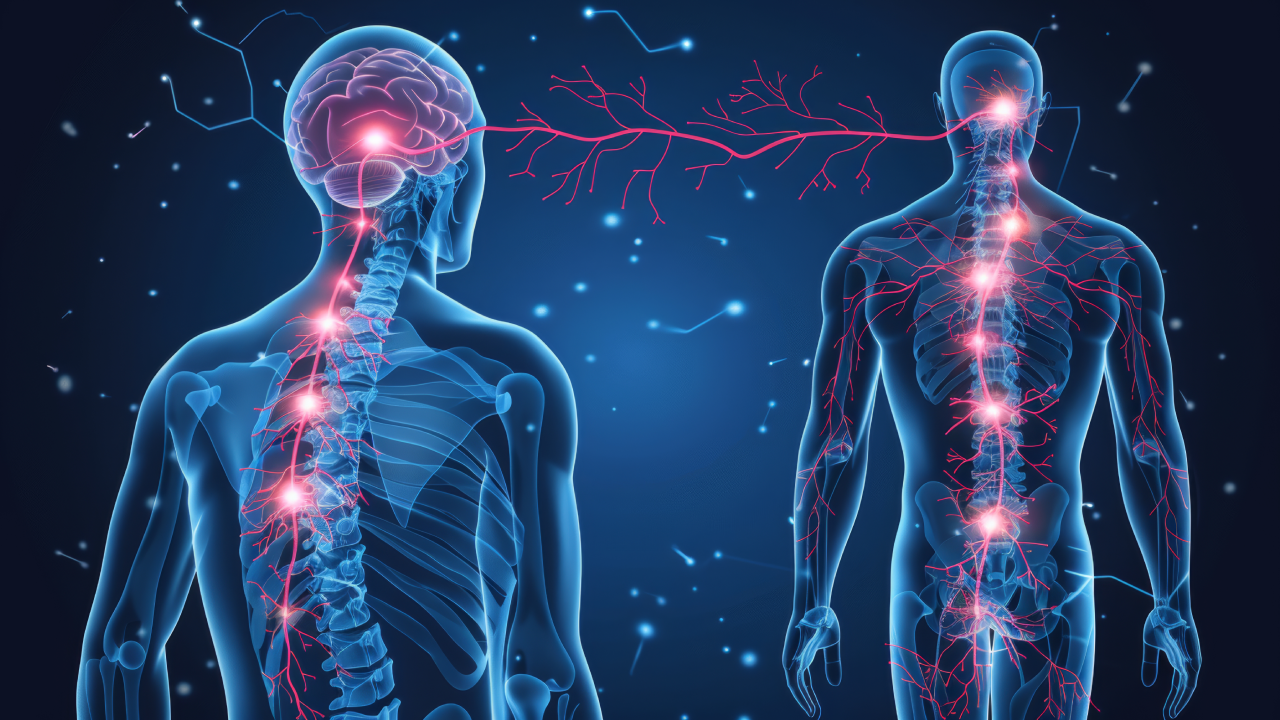


Impact of Nerve and Muscle Changes You Shouldn't Ignore
Neuromuscular disorders are a group of conditions that affect the nerves and muscles, leading to weakness, fatigue, and reduced mobility. While conventional treatments focus on symptom management, many individuals are now exploring natural health approaches to support nerve function, reduce inflammation, and improve quality of life.
In this article, we’ll explore the causes, symptoms, and natural treatment options for neuromuscular disorders, helping you make informed decisions about your health.
What Are Neuromuscular Disorders?
Neuromuscular disorders (NMDs) occur when communication between the nervous system and muscles is disrupted. This can affect:
- Motor neurons (brain and spinal cord)
- Peripheral nerves
- Neuromuscular junctions
- Muscle tissues
When these systems are impaired, muscles may become weak, stiff, or progressively deteriorate.
Common Types of Neuromuscular Disorders
Understanding the type of disorder is key to choosing the right treatment approach.
Muscular Dystrophy
A genetic condition causing progressive muscle degeneration.
Amyotrophic Lateral Sclerosis (ALS)
A neurodegenerative disease that affects motor neurons and leads to muscle wasting.
Myasthenia Gravis
An autoimmune condition causing muscle weakness, especially in the face and eyes.
Peripheral Neuropathy
Often linked to diabetes or toxin exposure, causing tingling, numbness, and pain.
Spinal Muscular Atrophy (SMA)
A genetic disorder affecting motor nerve cells, leading to muscle loss.
Causes and Root Factors
Neuromuscular disorders may develop due to:
- Genetic mutations
- Chronic inflammation
- Autoimmune reactions
- Nutritional deficiencies
- Toxin exposure (heavy metals, chemicals)
- Metabolic conditions (e.g., diabetes)
From a natural health perspective, addressing these root causes is essential for long-term improvement.
Key Symptoms to Watch For
Early recognition can make a significant difference. Common symptoms include:
- Muscle weakness or fatigue
- Muscle cramps or twitching
- Poor coordination
- Numbness or tingling
- Difficulty swallowing or breathing
- Drooping eyelids or blurred vision
If symptoms persist, seek professional evaluation promptly.
Natural and Holistic Support for Neuromuscular Disorders
While medical care is essential, integrative and natural therapies can support healing and slow progression.
1. Anti-Inflammatory Nutrition
Chronic inflammation plays a major role in nerve and muscle damage.
Focus on:
- Whole, unprocessed foods
- Omega-3 rich foods (fish, flaxseeds)
- Leafy greens and antioxidant-rich vegetables
- Eliminating refined sugar and processed foods
2. Targeted Nutritional Supplementation
Certain nutrients support nerve health and muscle function:
- Vitamin B Complex – supports nerve regeneration
- Magnesium – helps with muscle relaxation
- CoQ10 – improves cellular energy production
- Alpha-lipoic acid – supports nerve repair
- Vitamin D – essential for muscle strength
(Consult a healthcare professional before starting supplements.)
3. Detoxification Support
Reducing toxin load may benefit individuals with neuromuscular conditions.
- Gentle detox protocols
- Liver support herbs (e.g., milk thistle)
- Reducing exposure to environmental toxins
4. Physical and Movement Therapy
- Low-impact exercise (yoga, swimming)
- Physiotherapy to maintain mobility
- Stretching to reduce stiffness
Consistency is more important than intensity.
5. Stress Management and Nervous System Support
Chronic stress can worsen symptoms.
- Meditation and breathing exercises
- Acupuncture
- Adaptogenic herbs (e.g., ashwagandha)
Integrative Diagnosis and Personalized Care
A comprehensive approach may include:
- Functional lab testing
- Nutritional assessments
- Neurological evaluation
- Lifestyle analysis
At Natural Health Options, we focus on identifying underlying imbalances and creating personalized, root-cause-based treatment plans.
Living Well with Neuromuscular Disorders
Although these conditions can be challenging, many individuals improve their quality of life by combining:
- Medical treatment
- Natural therapies
- Lifestyle modifications
- Ongoing professional support
A proactive, holistic approach can make a meaningful difference.
When to Seek Help
If you experience persistent muscle weakness, nerve pain, or unexplained fatigue, early intervention is critical.
Book a consultation with Dr. Basharat Hussain to explore natural treatment options.
Final Thoughts
Neuromuscular disorders are complex, but they don’t have to define your life. By combining modern medicine with natural health strategies, it’s possible to support your body, improve function, and enhance overall well-being.