 (905) 609-1070
 drh@naturalhealthoptions.ca
 2349 Fairview Street, Unit 211, Burlington, ON L7R 2E3

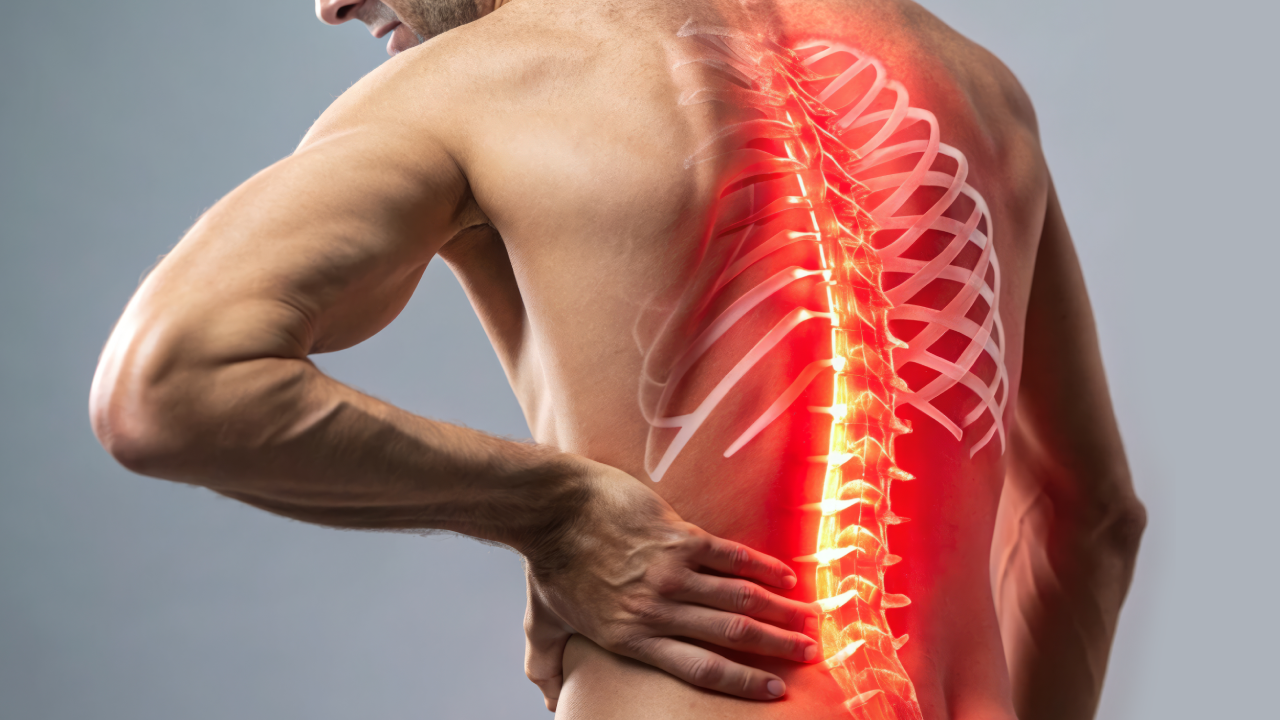
Simple Lifestyle Habits That Support a Healthier Spine
Your spine supports almost every movement you make throughout the day. Sitting at a desk, walking, bending, lifting, driving, exercising, and even sleeping all involve the spine in some way. When daily habits place repeated stress on the back and neck, stiffness, discomfort, reduced mobility, and movement limitations may develop.
For people in Burlington, maintaining spinal health can involve more than responding to symptoms after they appear. Everyday choices related to physical activity, posture, sleep, nutrition, body weight, stress, and work habits can all play a role in supporting the muscles, joints, discs, and other structures around the spine.
Spinal health improvement is not necessarily about making dramatic changes overnight. Small adjustments that become part of a routine may help support mobility and make daily activities easier to manage. The World Health Organization recommends physical activity, healthy eating, good sleep habits, ergonomic adjustments, and avoiding tobacco as part of self-care for people dealing with low back pain.
It is also important to remember that spinal symptoms can have many causes. Some may relate to muscle strain or movement habits, while others can be associated with arthritis, disc problems, nerve irritation, inflammatory conditions, injuries, or other health concerns. Persistent or severe symptoms should be assessed by an appropriate healthcare professional.
1. Make Regular Physical Activity Part of Your Routine
Regular movement is one of the key lifestyle habits associated with spinal health. Spending long periods sitting or remaining inactive can contribute to stiffness and reduced physical capacity.
You do not necessarily need intense workouts to stay active. Walking, swimming, cycling, gentle mobility exercises, yoga, and other suitable activities can help you remain physically active. Strength exercises can also support the muscles that contribute to trunk stability and movement.
The World Health Organization recommends that adults generally aim for at least 150 minutes of moderate-intensity physical activity per week, alongside muscle-strengthening activities on two or more days per week.
For spinal health improvement, the key is consistency rather than trying to complete a demanding workout occasionally. If you have an existing spinal condition, injury, or significant symptoms, discuss suitable activity levels with a healthcare professional before changing your exercise routine.
2. Strengthen the Muscles Around Your Spine
The spine does not work alone. Muscles throughout the abdomen, pelvis, hips, back, and shoulders contribute to posture, balance, and movement.
Exercises that build strength in these areas may help you perform daily activities with greater control. Examples may include modified bridges, bird-dog exercises, controlled squats, abdominal bracing, and other exercises selected according to your physical abilities.
A structured exercise program may be used as part of care for adults with chronic primary low back pain, although the appropriate exercises can vary from person to person. WHO notes that no single exercise style has been established as suitable for everyone.
Rather than copying an advanced exercise routine from the internet, consider starting with movements that match your current ability. Gradual progression can help you build physical capacity without suddenly placing excessive demand on the spine.
3. Pay Attention to Sitting and Posture
Many people spend several hours each day sitting at a desk, using a computer, working from home, studying, or driving. Staying in one position for extended periods may contribute to stiffness and discomfort.
A supportive workstation can make daily tasks more comfortable. Keep the screen at a suitable height, position your chair so your feet can rest securely, and avoid repeatedly leaning forward for long periods.
However, posture does not need to mean maintaining one rigid position throughout the day. Changing positions regularly and taking short movement breaks can also be useful.
For spinal health improvement, consider standing up periodically, walking around the room, stretching gently, or changing your sitting position. These small habits can break up long periods of inactivity.
4. Learn Safer Lifting Habits
Lifting, carrying, pushing, and pulling can place significant demands on the spine. Poor lifting habits or suddenly attempting to move an object that is too heavy may increase the chance of strain.
When lifting something from the floor, move close to the object, maintain a stable stance, and use your hips and legs as part of the movement. Avoid twisting your trunk while carrying a heavy object.
NIH guidance also recommends avoiding heavy lifting when possible and using the legs and abdominal muscles rather than relying solely on the back.
At work or at home, consider whether the load can be divided into smaller amounts or moved with appropriate equipment. Asking another person for assistance can also reduce unnecessary strain.
5. Build a Consistent Sleep Routine
Sleep gives the body time to rest and recover from the physical demands of daily activities. Poor sleep may also influence how a person perceives discomfort and manages everyday physical demands.
Your sleeping position and mattress setup can influence comfort, although there is no single sleeping position that works for everyone. Some people find side sleeping with appropriate support between the knees comfortable, while others prefer sleeping on their back.
A regular sleep schedule, a comfortable sleep environment, and reduced screen exposure close to bedtime may support healthy sleep habits.
Good sleep is one of the lifestyle measures WHO includes when discussing self-care for low back pain.
6. Choose a Nutrient-Rich Eating Pattern
Nutrition can contribute to general health, body composition, and the body's normal physiological processes. A diet based around vegetables, fruits, whole grains, legumes, nuts, seeds, fish, or other suitable protein sources, and minimally processed foods can provide a broad range of nutrients.
The World Health Organization describes a healthy diet as one based on adequacy, balance, moderation, and diversity, with minimally processed and unprocessed foods forming the foundation.
Nutrition should not be presented as a standalone solution for spinal conditions. However, maintaining a balanced eating pattern can support general health and may be useful alongside other lifestyle measures.
For spinal health improvement, consider gradually increasing vegetables, fruits, fiber-rich foods, and suitable protein sources while limiting excessive intake of foods high in added sugars, unhealthy fats, and sodium.
7. Maintain a Healthy Body Weight
Body weight can influence the mechanical demands placed on the lower back and other parts of the musculoskeletal system. NIH notes that excess body weight can place additional stress and strain on the back.
Rather than focusing on rapid weight changes, consider sustainable habits such as regular physical activity, balanced meals, adequate sleep, and appropriate portion sizes.
Weight management should also be approached carefully. Body composition is only one part of overall health, and individual nutritional needs can vary due to age, activity level, medical conditions, and other factors.
If you are concerned about your weight or dietary intake, speaking with a qualified healthcare professional or registered dietitian can help you determine an appropriate approach.
8. Stop Smoking and Limit Tobacco Exposure
Smoking affects many areas of health, and research has also identified associations between smoking and spinal conditions.
WHO identifies smoking as one of the risk factors associated with non-specific low back pain and recommends avoiding tobacco as part of self-care.
For people with inflammatory spinal conditions, research has also linked smoking with disease activity and disease progression, although the strength of evidence can vary between specific conditions.
If you smoke, consider speaking with a healthcare professional about cessation support. Stopping tobacco use can be challenging, so structured support may be useful.
9. Manage Stress and Avoid Prolonged Inactivity
Stress can influence sleep, muscle tension, activity levels, and the way people respond to ongoing discomfort. A demanding schedule may also make it harder to maintain exercise, healthy eating, and regular sleep.
Simple stress-management practices may include breathing exercises, walking outdoors, mindfulness, stretching, hobbies, social activities, and planned breaks from work.
It can also be useful to avoid an all-or-nothing approach to activity. If a particular movement causes discomfort, that does not always mean all physical activity should stop. Depending on the cause, gradual movement may form part of a rehabilitation plan.
WHO includes psychological and social support among approaches that may help people manage persistent low back pain and return to meaningful activities.
How to Reduce Inflammation in the Spine?
Spinal inflammation is not a single condition. Inflammation can occur for different reasons, including inflammatory diseases, infection, injury, or other underlying health conditions. Because the cause matters, there is no single lifestyle change that can reduce spinal inflammation in every situation.
If inflammation is suspected, an assessment by an appropriate healthcare professional is important. Conditions such as axial spondyloarthritis can require specific medical evaluation and ongoing management.
Lifestyle measures may still have a role alongside clinical care. Regular physical activity can help maintain mobility and muscle strength. A balanced diet can support general health. Avoiding tobacco is also relevant, particularly for people with inflammatory spinal conditions.
Some practical steps to consider include:
Choose Foods with Strong Nutritional Value
Build meals around vegetables, fruits, whole grains, legumes, nuts, seeds, and suitable protein sources. Reduce reliance on highly processed foods and excessive added sugars.
This does not mean that one food can remove inflammation from the spine. Diet should be viewed as one part of overall health rather than a standalone treatment.
Stay Physically Active
Appropriate movement may help maintain joint mobility and muscle function. For people with inflammatory spinal conditions, exercise programs can be an important part of ongoing care. NIH notes that exercise can help maintain muscle strength, joint mobility, flexibility, sleep, and healthy body weight in people with ankylosing spondylitis.
The type and intensity of exercise should take your condition into account.
Avoid Smoking
Smoking has been associated with worse disease activity and structural progression in axial spondyloarthritis.
If you smoke, consider discussing cessation support with a healthcare professional.
Prioritize Sleep
Poor sleep can make it harder to manage daily physical demands. Establishing consistent sleep and wake times, creating a comfortable bedroom environment, and limiting stimulating activities before bedtime may support sleep quality.
Manage Body Weight Through Healthy Habits
If excess body weight is present, gradual lifestyle changes may support general health and reduce some mechanical demands on the musculoskeletal system. However, weight management should not replace evaluation or care for an inflammatory spinal disorder.
Seek Assessment for Persistent Symptoms
Inflammation caused by an underlying condition may require diagnostic testing and condition-specific care. Do not assume that ongoing spinal symptoms are caused only by posture, exercise, or diet.
When Should You Seek Professional Assessment?
Lifestyle changes can support general spinal health, but they should not replace clinical assessment when symptoms are persistent, severe, or unusual.
Seek prompt medical attention for symptoms such as significant weakness, new loss of bladder or bowel control, numbness around the groin or inner thighs, severe symptoms following a major injury, fever with severe back symptoms, unexplained weight loss, or other concerning changes.
Persistent symptoms that interfere with walking, sleeping, work, exercise, or everyday activities also warrant professional assessment.
A healthcare professional can help determine whether symptoms may be related to muscles, joints, discs, nerves, inflammatory conditions, or another cause.
How Natural Health Options in Burlington Can Help
At Natural Health Options in Burlington, discussing your daily habits and movement patterns can be a useful part of planning care for spinal and musculoskeletal concerns.
A suitable plan may involve looking at activity levels, posture, movement habits, physical limitations, and lifestyle factors that may influence everyday function. The goal is to help you identify practical changes that fit into your normal routine.
Spinal Health Improvement can involve several areas of daily life rather than relying on one isolated change. Regular movement, appropriate strengthening, healthy eating, sleep, stress management, safe lifting, and tobacco cessation can all form part of a broader approach to spinal wellness.
If you are dealing with persistent back or neck concerns in Burlington, consider contacting Natural Health Options to discuss your symptoms and determine whether an assessment may be appropriate.
Frequently Asked Questions
1. What is Spinal Health Improvement?
Spinal Health Improvement refers to lifestyle and care strategies that support spinal function, mobility, strength, and general musculoskeletal health. It may include physical activity, strengthening, healthy eating, sleep habits, posture, stress management, and safer movement techniques.
2. Can exercise support spinal health?
Yes. Regular physical activity can support muscle strength, mobility, balance, and general physical function. Structured exercise programs may also be used for chronic low back pain. The appropriate type and intensity depend on the person's condition and physical capacity.
3. How can I reduce inflammation in the spine naturally?
There is no single natural method that works for every cause of spinal inflammation. Regular appropriate activity, a nutrient-rich eating pattern, adequate sleep, avoiding tobacco, and maintaining healthy lifestyle habits may support general health. Persistent inflammation requires assessment to identify the underlying cause.
4. Can sitting for long periods affect spinal health?
Long periods of sitting may contribute to stiffness and reduced physical activity. Changing positions, taking movement breaks, adjusting your workstation, and incorporating regular activity throughout the day can help reduce prolonged inactivity.
5. When should I contact a healthcare professional about spinal symptoms?
Consider seeking professional assessment when symptoms persist, repeatedly return, interfere with everyday activities, or are accompanied by weakness, numbness, fever, bowel or bladder changes, unexplained weight loss, or symptoms following significant trauma.
Take the Next Step
Spinal Health Improvement starts with practical habits that can fit into everyday life. You do not need to change everything at once. Start by identifying one or two areas—such as daily walking, workstation setup, sleep habits, strengthening, or nutrition—and build from there.
If ongoing spinal or musculoskeletal concerns are affecting your daily routine, contact Natural Health Options in Burlington to discuss your concerns and arrange for an appropriate assessment. A healthcare professional can help determine which lifestyle changes and care options may be suitable for your situation.
Phone: +1 905-609-1070
Address: 2349 Fairview St 211, Burlington, ON L7R 2E3, Canada