 (905) 609-1070
 drh@naturalhealthoptions.ca
 2349 Fairview Street, Unit 211, Burlington, ON L7R 2E3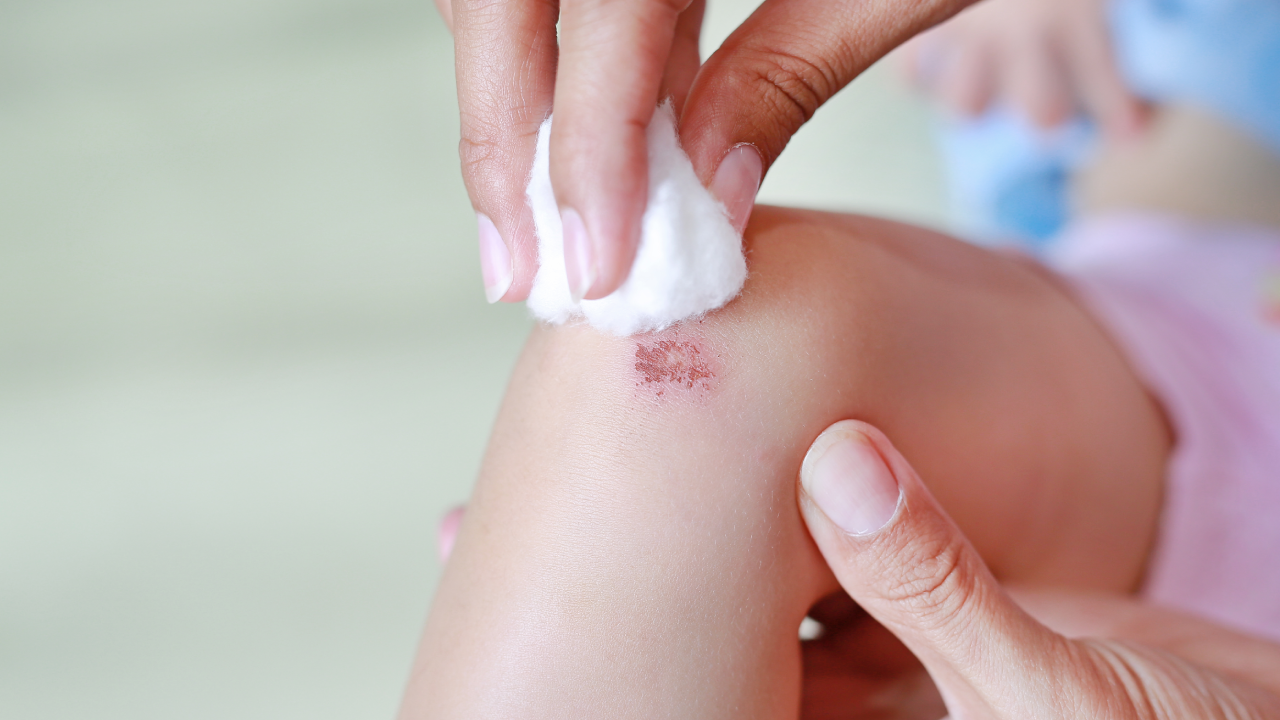


Introduction
Chronic wounds are a growing health concern worldwide, especially among individuals with diabetes, poor circulation, or compromised immunity. While conventional treatments focus on medications and procedures, emerging research suggests that supporting the body’s natural healing systems—especially its bioelectric and circulatory functions—can significantly improve outcomes.
Why Wound Healing Gets Delayed
Wound healing is a complex biological process that depends on several key factors:
- Oxygen supply
- Blood circulation
- Cellular energy (ATP)
- Controlled inflammation
When any of these are disrupted, healing slows down or stops entirely. One of the most critical issues is hypoxia (low oxygen levels), which prevents proper tissue repair and increases infection risk.
The Hidden Impact of Chronic Inflammation
Inflammation is essential in early healing—but when it becomes chronic, it turns harmful.
- Blocks tissue regeneration
- Increases infection risk
- Delays wound closure
Research now links chronic inflammation to thousands of diseases and identifies it as a major barrier to wound healing .
The Role of Blood Flow and Nitric Oxide
Efficient healing requires proper circulation.
Nitric Oxide (NO) plays a key role by:
- Expanding blood vessels
- Increasing oxygen delivery
- Supporting tissue regeneration
Low nitric oxide levels—common in diabetics—can significantly impair healing.
The Bioelectric Nature of Healing
The human body is not just biochemical—it’s also bioelectrical.
- Cells communicate through electrical signals
- Injuries create measurable electrical currents
- Healing depends on restoring these signals
Disruption in this system can delay or prevent healing altogether.
Microcurrent Therapy: A Modern Natural Solution
Microcurrent therapy uses low-level electrical stimulation to enhance the body’s natural repair mechanisms.
Studies highlighted in the document show it can:
- Increase ATP production
- Improve blood circulation
- Reduce inflammation
- Accelerate tissue regeneration
In some cases, healing times improved dramatically—from typical 13 weeks to significantly shorter periods .
Rethinking Pain Management
Pain is often treated with medications like opioids—but these come with risks:
- Dependency
- Reduced healing efficiency
- No effect on root causes
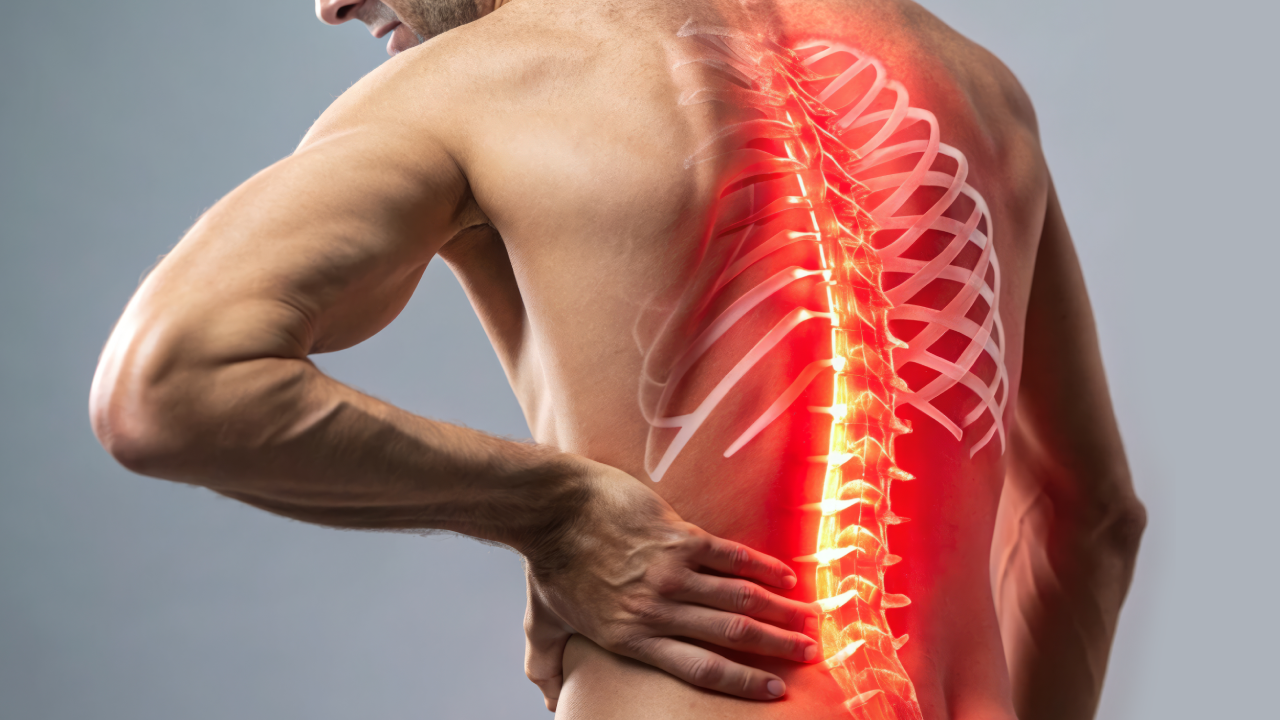
Non-invasive approaches like microcurrent therapy may reduce pain while also addressing underlying healing processes.
A Holistic Approach to Wound Healing
Optimal healing requires a multi-layered approach:
- Proper wound care
- Circulation support
- Nutritional optimization
- Reduced inflammation
- Bioelectric stimulation
This integrative model focuses on restoring the body’s natural ability to heal.
Conclusion
Wound healing is more than skin deep—it involves energy, circulation, and cellular communication. By combining modern science with natural approaches, we can unlock faster recovery, reduced pain, and better long-term outcomes.